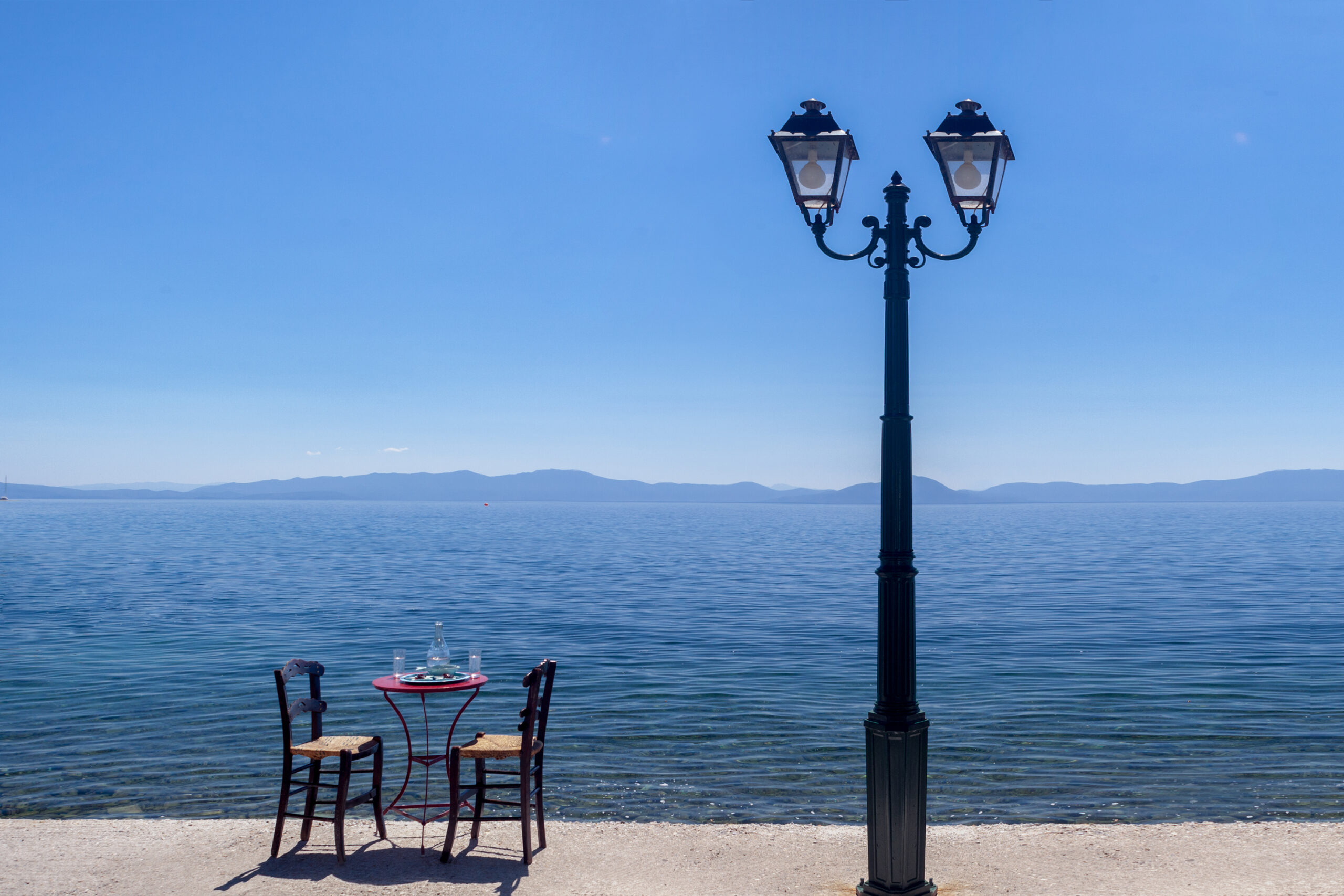
Pelion is one of those rare places that feels different every time you visit. Mountain or sea, lush green slopes or snow-covered traditional villages, warm summer evenings or crisp winter mornings — the experience may change, but the magic remains.
Ιf you're wondering what the weather in Pelion, Greece, is really like and how it shapes your stay, you’re in the right place. In this guide, we’ll walk you through Pelion’s climate in a relaxed, practical way. You’ll get a clear idea of temperatures, seasonal conditions, and what each time of year offers – without overwhelming details or repetition. Whether you’re planning months ahead or simply dreaming of your next escape, this article will help you picture Pelion, season by season.
Είτε σχεδιάζετε μια απόδραση είτε απλώς ονειρεύεστε την επόμενη εξόρμηση σας, το άρθρο αυτό θα σας βοηθήσει να φανταστείτε το Πήλιο από εποχή σε εποχή.
Pelion weather by season: A complete guide
Pelion enjoys a unique microclimate thanks to its combination of mountain altitude and proximity to the Aegean Sea. This means cooler summers compared to many Greek destinations, snowy winters in higher areas, and mild, pleasant transitions in spring and autumn. Let’s break it down.
Also read: How to get to Pelion: All means of transport, routes, and tips
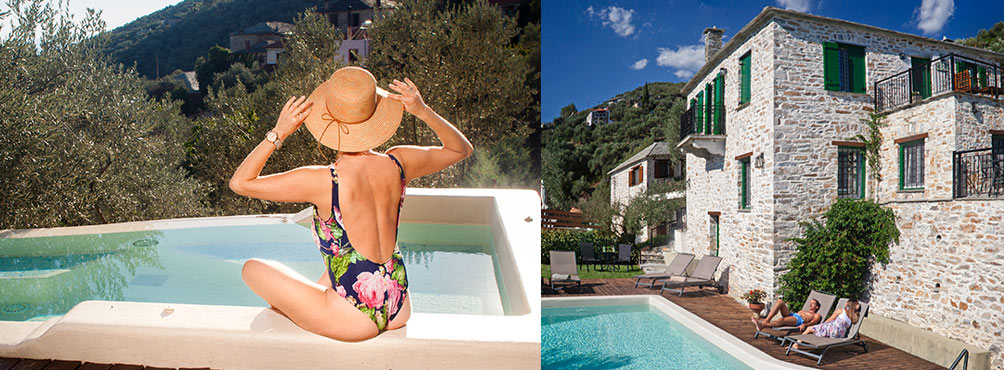
Summer in Pelion – Mild heat & refreshing breezes
Summer in Pelion is one of its biggest surprises. While much of Greece experiences intense heat, Pelion remains noticeably cooler – especially in mountain villages and shaded coastal areas.
Average temperatures usually range between 24°C και 30°Cwith evenings cooling down nicely thanks to sea breezes and altitude. Heatwaves are less intense here, making summer days far more comfortable.
When packing for summer in Pelion, light clothing, breathable fabrics, comfortable sandals, and a pair of trainers for village walks or forest paths are more than enough. A light jacket for cooler evenings is always a good idea.
This is the perfect season to enjoy:
- Swimming at beaches like Mylopotamos, Fakistra, or Agios Ioannis
- Long seaside lunches without the suffocating heat
- Early morning walks through forest paths
- Sunset views from villages overlooking the Aegean Sea or the Pagasetic Gulf
The contrast between cool mountain mornings and warm beach afternoons is what makes summer in Pelion so appealing. You don’t feel trapped by the heat – you move with it.
Learn more: 9+1 Beaches in Pelion You Shouldn't Miss!
Winter in Pelion – Snowy mountains & crisp air
Winter transforms Pelion into a completely different destination. From December to February, higher-altitude villages often see snowfall, while lower coastal areas remain cold but rarely extreme.
Temperatures in winter usually range from 0°C έως 10°C, depending on altitude. Mountain villages like Makrinitsa, Portaria, and Zagora can feel properly wintry, especially after snowfall, while the coast stays milder.
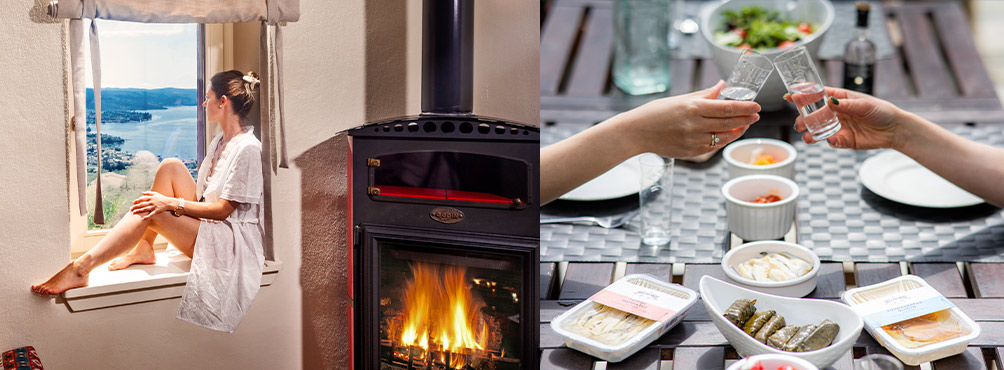
Warm layers are essential during winter, along with sturdy shoes or boots suitable for stone paths and occasional snow. Thick sweaters, a waterproof jacket, and cozy indoor clothing will make your stay even more enjoyable — especially when paired with evenings by the fireplace or relaxing moments in a private hot tub after a cold day outdoors.
Winter in Pelion is ideal for:
- Cozy stays by the fireplace
- Snowy walks through stone-paved villages
- Visiting the Pelion Ski Centre
- Enjoying traditional food in warm tavernas
It’s quieter, calmer, and more atmospheric. If you enjoy winter destinations without the crowds of large ski resorts, Pelion offers a softer, more authentic experience.
You may be interested in Hiking in Pelion: Unique routes for nature lovers
Spring in Pelion – Blooming nature & pleasant temperatures
Spring might be Pelion’s most underrated season. From March to May, the landscape bursts into color, with wildflowers, green hillsides, and flowing streams everywhere you look.
Temperatures typically range between 15°C και 22°C (59°F–72°F), making it one of the most comfortable times of the year. Days are sunny but not hot, and evenings remain cool and refreshing. Spring weather calls for light layers, comfortable walking shoes, and a light jacket for the evenings. It’s the kind of season where you dress once and feel comfortable all day long.
Spring is perfect for:
- Hiking and walking on ancient stone paths
- Exploring traditional villages without crowds
- Nature photography and outdoor cafes
- Day trips that combine mountain and sea
Especially in May, Pelion feels alive but not busy – a beautiful balance between energy and calm.
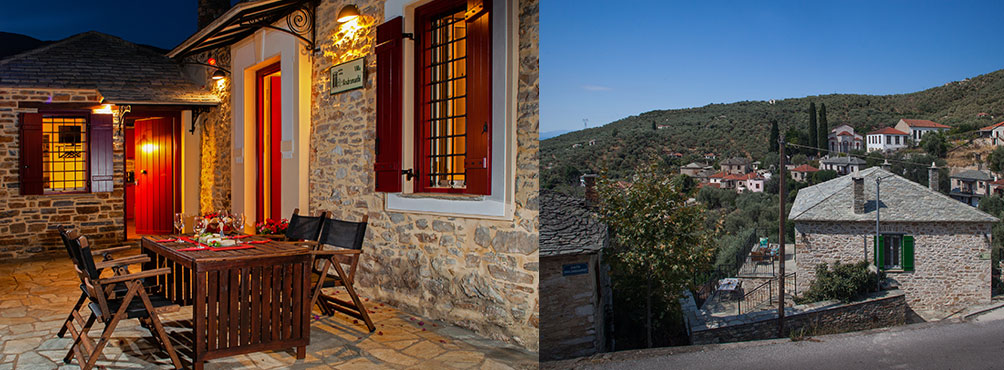
Read also: These are the most beautiful villages in Pelion for year-round vacations
Autumn in Pelion – Soft sun & changing landscapes
Autumn in Pelion feels gentle and unhurried. From September to November, the weather remains mild, while the colors slowly shift to warm autumn tones.
Early autumn temperatures stay between 18°C and 25°C, while October brings cooler days and crisp evenings. The sea remains warm well into October, making it a favorite month for relaxed beach days.
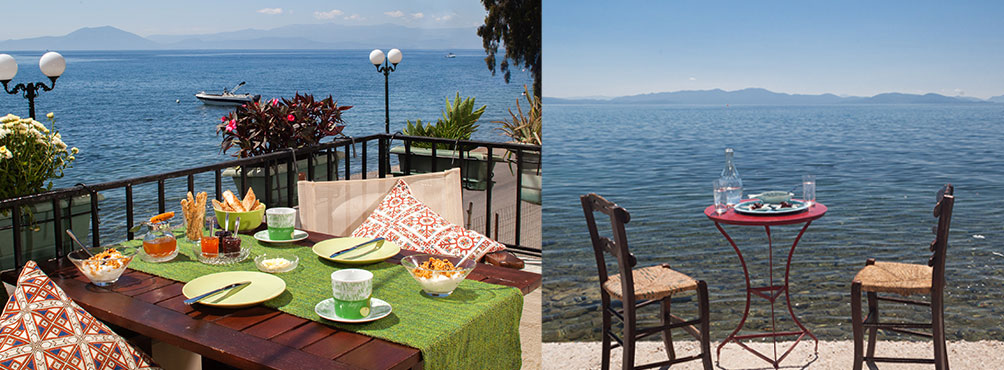
As temperatures start to cool, it’s worth packing a light coat or jacket, comfortable closed shoes, and layers you can easily adjust throughout the day. Autumn evenings are perfect for slow dinners, a tsipouro kit, or a generous platter of local products enjoyed in good company.
During autumn, visitors enjoy:
- Swimming without summer crowds
- Scenic drives through colorful forests
- Long lunches and wine-filled evenings
- Peaceful village life
If you’re wondering about the weather in Pelion, Greece, in October, expect comfortable daytime temperatures, cooler nights, and an overall calm atmosphere that’s hard to beat.
Learn more: What to eat in Pelion? Traditional flavors and dishes
Is Pelion a year-round destination? What the weather means for your stay
One of Pelion’s greatest strengths is its ability to adapt to every season — and that’s reflected in where and how you choose to stay.
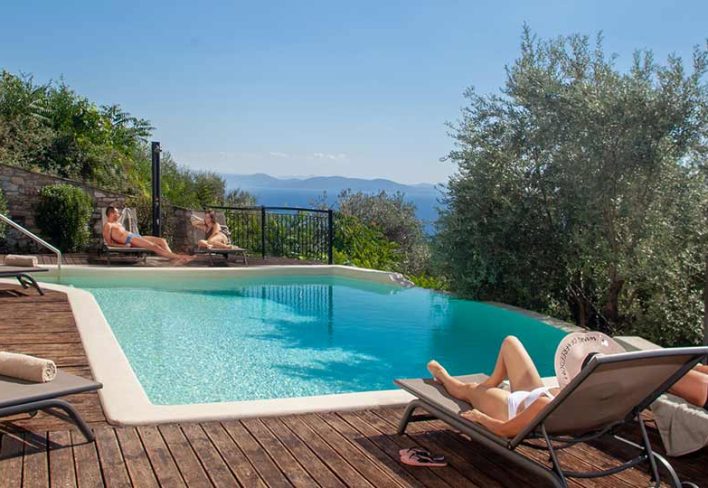
For summer stays, villas with outdoor spaces make all the difference. Properties such as Villa Thalia and Villa Andromachi, both featuring private pools, are ideal for warm days spent outdoors, while Avgi by the Seaoffers immediate access to the water and a true seaside atmosphere.
During the winter months, mountain retreats become especially appealing. Villa Erifili orVilla Ioanna, with their fireplace and cozy interiors, is perfect for colder days, while Villa Evridiki, a traditional mansion with panoramic views, offers a more atmospheric, village-style experience.
Spring and autumn allow for even more flexibility, making both coastal and mountain villas equally enjoyable depending on whether you’re drawn more to sea views or traditional village life.
This variety is exactly what makes Pelion such a strong year-round destination. You don’t just visit Pelion; you choose the version of Pelion that fits the season.
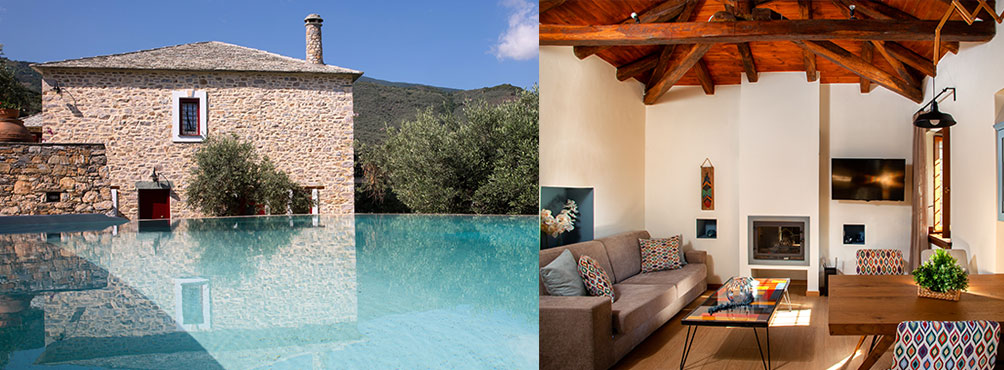
Read also: Where to Stay in Pelion - Complete accommodation guide
The character of Pelion beyond the seasons
Beyond temperatures and forecasts, Pelion has a personality that goes deeper than weather alone. It’s a place where nature and tradition coexist effortlessly, where the pace of life adjusts naturally with the seasons.
Some destinations feel defined by a single “best” time to visit. Pelion isn’t one of them. Each season reveals a different side — sometimes vibrant, sometimes peaceful, sometimes dramatic — but always authentic.
Whether bathed in summer light, wrapped in winter mist, blooming in spring, or glowing in autumn tones, Pelion offers a sense of balance that’s increasingly rare. And that balance is what keeps people coming back, again and again. If you’re looking for a destination that feels alive throughout the year, Pelion quietly delivers — without needing to shout about it. At Pelion Esties, this philosophy extends beyond accommodation. Thoughtful touches such as a breakfast basket filled with local flavors or a convenient gym kit allow guests to enjoy Pelion at their own pace, no matter the season. It’s these small details that turn a stay into a more personal, effortless experience — one that feels just as authentic as the destination itself.